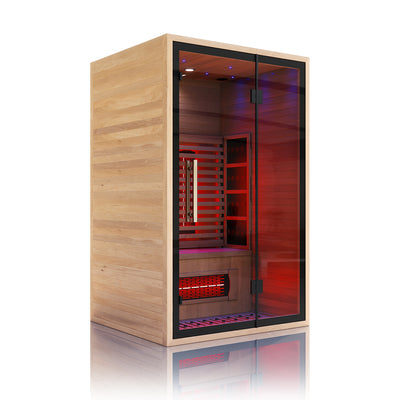
Choosing between a cedar vs hemlock sauna is one of the most important decisions buyers make when investing in an outdoor sauna. While heater selection and sauna size often receive the most attention, the wood species ultimately influences how the sauna looks, feels, smells, ages, and performs throughout many years of ownership. Selecting the right material is about far more than appearance—it helps determine the overall experience you'll enjoy every time you step inside.
Cedar and hemlock are two of the most respected materials used in premium sauna construction, but they appeal to different homeowners. Cedar has earned an outstanding reputation for its rich color, distinctive aroma, natural durability, and traditional Scandinavian character. Hemlock has become increasingly popular because of its smooth appearance, subtle scent, modern aesthetic, and exceptional value. Both woods create beautiful outdoor saunas, yet they provide noticeably different ownership experiences.
Many first-time buyers assume cedar is automatically the better choice simply because it has historically been associated with traditional saunas. While cedar certainly offers several natural advantages, modern hemlock saunas have become highly desirable among homeowners seeking clean architectural design, lower maintenance, and a more neutral interior environment. The best material depends less on reputation and more on your personal preferences, budget, and long-term expectations.
Neither wood is objectively superior for every buyer. Some homeowners appreciate the unmistakable aroma and rustic warmth of cedar, while others prefer the contemporary appearance and understated elegance of hemlock. Understanding how each material performs in real-world outdoor conditions can help you make a confident investment that continues delivering satisfaction for many years.
This guide compares cedar vs hemlock sauna construction in detail, examining appearance, durability, aroma, insulation, maintenance, longevity, outdoor performance, and long-term ownership. By the end, you'll understand which wood species is best suited to your lifestyle, your property, and the type of sauna experience you're hoping to create.
Cedar Vs Hemlock Sauna: At A Glance
Although cedar and hemlock are both excellent materials for sauna construction, they offer very different characteristics. Cedar has traditionally been considered the premium choice because of its natural oils, aromatic scent, and exceptional resistance to moisture and insects. Hemlock offers a cleaner appearance, consistent grain, and outstanding structural stability, making it a favorite for homeowners who appreciate modern design and minimal wood fragrance.
Many buyers begin their comparison by looking at color or price, but experienced sauna owners often focus on how the material performs after years of regular use. Aroma, maintenance, aging, dimensional stability, and overall comfort typically become much more important than the initial appearance. Choosing the right wood means understanding not only how it looks on installation day but also how it will feel and perform throughout long-term ownership.
|
Feature
|
Cedar
|
Hemlock
|
|
Appearance
|
Rich reddish tones
|
Light, clean appearance
|
|
Aroma
|
Strong natural scent
|
Minimal odor
|
|
Natural Oils
|
Excellent
|
Minimal
|
|
Rot Resistance
|
Excellent
|
Very Good
|
|
Insect Resistance
|
Excellent
|
Good
|
|
Dimensional Stability
|
Excellent
|
Excellent
|
|
Maintenance
|
Low
|
Low
|
|
Modern Appearance
|
Good
|
Excellent
|
|
Traditional Sauna Feel
|
Excellent
|
Very Good
|
|
Best For
|
Traditional premium outdoor saunas
|
Contemporary outdoor wellness spaces
|
Why Buyers Compare Cedar Vs Hemlock Sauna
The cedar vs hemlock sauna comparison has become increasingly common as premium sauna manufacturers offer both materials across different product lines. Rather than asking which wood is objectively better, today's buyers are looking for the material that best matches their personal preferences, home design, and long-term wellness goals.
For some homeowners, the decision centers on tradition. Cedar has long been associated with authentic sauna culture because of its distinctive aroma, beautiful color, and exceptional natural durability. Others are drawn toward hemlock because it provides a brighter interior, modern appearance, and little to no natural scent, creating a cleaner and more neutral sauna environment.
Several factors consistently influence this comparison:
-
Appearance: Cedar offers warm reddish tones, while hemlock creates a brighter and more contemporary interior.
-
Aroma: Cedar's natural fragrance is one of its defining characteristics, whereas hemlock remains almost odorless.
-
Long-Term Maintenance: Both woods require relatively little maintenance when properly cared for.
-
Outdoor Performance: Each material performs well outdoors when combined with quality construction.
-
Personal Preference: The ideal choice often comes down to the type of ownership experience the homeowner wants to create.
For most buyers, selecting between cedar and hemlock is less about finding a universally better material and more about choosing the wood that feels most enjoyable every time they enter the sauna.
Understanding The Biggest Difference Between Cedar And Hemlock
The biggest distinction in the cedar vs hemlock sauna comparison is not structural performance—it is the overall sensory experience each material creates.
Cedar is immediately recognizable because of its rich natural aroma. As the sauna warms, the wood releases a distinctive fragrance that many enthusiasts associate with traditional Scandinavian sauna culture. Combined with its warm reddish color and natural character, cedar creates an atmosphere that feels rustic, timeless, and unmistakably authentic. For many buyers, this sensory experience becomes one of the primary reasons for choosing cedar over any other wood species.
Hemlock creates a very different environment. Its smooth grain, light coloration, and minimal scent produce a calm, contemporary atmosphere that appeals to homeowners who prefer simplicity over strong natural aromas. Because hemlock contributes very little fragrance, the focus remains entirely on the heat, the architecture, and the overall wellness experience. This understated elegance has made it increasingly popular among luxury residential sauna installations.
Several Characteristics Distinguish Cedar Ownership
-
Distinctive Natural Aroma: Creates the traditional sauna scent many enthusiasts expect.
-
Warm Rich Color: Deep reddish tones develop beautiful character over time.
-
Authentic Atmosphere: Strongly associated with classic Scandinavian sauna traditions.
-
Premium Outdoor Appeal: Rich wood grain enhances natural landscapes.
-
Timeless Character: Ages beautifully while maintaining its traditional appearance.
Hemlock Distinguishes Itself Differently
-
Minimal Natural Scent: Ideal for homeowners sensitive to strong wood aromas.
-
Clean Contemporary Appearance: Bright interiors complement modern architecture.
-
Consistent Grain Pattern: Creates a refined and uniform visual aesthetic.
-
Neutral Wellness Environment: Allows the sauna experience to focus on relaxation rather than fragrance.
-
Modern Luxury Appeal: Frequently selected for contemporary outdoor wellness retreats.
For many buyers, this sensory difference becomes the deciding factor. Those seeking a classic traditional sauna experience often gravitate toward cedar, while homeowners who value clean architectural design and subtle elegance frequently prefer hemlock.
Appearance & Grain: Which Wood Looks Better?
Appearance is often the first thing buyers notice when comparing a cedar vs hemlock sauna, but it also becomes one of the qualities homeowners appreciate every time they step inside. The color, grain pattern, and overall character of the wood influence the atmosphere of the sauna just as much as the heater or lighting. While beauty is ultimately subjective, cedar and hemlock create distinctly different visual experiences.
Cedar has earned its reputation through rich reddish-brown tones, varied grain patterns, and natural color variation that gives every sauna a unique personality. As the wood matures, it develops even more character while maintaining the warm appearance that has become closely associated with traditional Scandinavian sauna culture. Many homeowners choose cedar because it immediately creates a feeling of warmth, craftsmanship, and authenticity.
Hemlock offers a more contemporary aesthetic. Its lighter color, finer grain, and uniform appearance create clean, bright interiors that complement modern architecture exceptionally well. Rather than drawing attention to the wood itself, hemlock creates a calm backdrop that allows lighting, glass, and architectural details to become the focal points of the sauna.
Several Characteristics Distinguish Cedar Visually
-
Rich Natural Color: Warm reddish and honey-colored tones create a premium appearance.
-
Distinctive Grain Patterns: Every sauna develops its own natural character.
-
Traditional Aesthetic: Immediately recognizable as a classic sauna material.
-
Beautiful Aging: Color gradually deepens while maintaining its natural warmth.
-
Luxury Outdoor Appeal: Complements rustic homes, cabins, and natural landscapes.
Hemlock Offers Its Own Visual Advantages
-
Light Contemporary Finish: Creates brighter, more spacious interiors.
-
Uniform Grain: Produces a clean and refined architectural appearance.
-
Modern Design Compatibility: Pairs naturally with glass, black accents, and minimalist styling.
-
Consistent Coloring: Less variation creates a sleek, balanced aesthetic.
-
Timeless Simplicity: Appeals to homeowners who prefer understated elegance.
Neither appearance is objectively superior. Buyers seeking a traditional Scandinavian-inspired sauna often fall in love with cedar's rich natural beauty, while homeowners designing modern outdoor wellness spaces frequently appreciate the clean sophistication of hemlock.
Aroma & Natural Scent: One Of The Biggest Differences
Perhaps no characteristic separates a cedar vs hemlock sauna more than aroma. For many experienced sauna enthusiasts, the fragrance released by heated cedar is inseparable from the traditional sauna experience. Others prefer a neutral environment where the focus remains entirely on the heat and relaxation rather than the scent of the wood itself.
Western Red Cedar contains naturally occurring aromatic oils that produce its distinctive fragrance. As the sauna heats, these oils release a pleasant wood aroma that many homeowners associate with relaxation, nature, and authentic sauna culture. For some buyers, this scent becomes one of the most enjoyable parts of every sauna session and contributes significantly to the overall atmosphere.
Hemlock contains very little natural aroma. Even when heated repeatedly, the wood remains almost odorless. This neutrality appeals to buyers who are sensitive to fragrances or who simply prefer a cleaner indoor environment. Without a dominant wood scent, the sauna feels calm, subtle, and contemporary.
Several Reasons Homeowners Choose Cedar
-
Authentic Sauna Aroma: Creates the traditional scent many enthusiasts expect.
-
Natural Essential Oils: Contribute to cedar's unmistakable fragrance.
-
Warm Sensory Experience: Enhances relaxation beyond heat alone.
-
Connection To Nature: The aroma reinforces the outdoor wellness experience.
-
Classic Scandinavian Feel: Many buyers associate cedar's scent with authentic sauna traditions.
Hemlock Appeals For Different Reasons
-
Virtually Odorless: Ideal for fragrance-sensitive homeowners.
-
Neutral Interior Environment: Allows the focus to remain entirely on the sauna session.
-
Minimal Allergic Concerns: Some buyers simply prefer avoiding aromatic woods.
-
Modern Wellness Feel: Creates a clean and uncluttered sensory experience.
-
Flexible Environment: Neutral wood complements essential oils used outside the sauna rather than competing with them.
For many buyers, aroma alone determines the decision. If the smell of natural cedar is central to your vision of sauna ownership, cedar remains difficult to replace. If you prefer a subtle and fragrance-free environment, hemlock may be the more enjoyable choice.
Durability & Rot Resistance: Which Wood Lasts Longer Outdoors?
Outdoor saunas must withstand years of changing weather conditions, making durability one of the most important considerations in the cedar vs hemlock sauna comparison. Exposure to moisture, sunlight, seasonal temperature changes, and humidity places constant demands on the wood, so selecting a material with proven outdoor performance is essential for long-term satisfaction.
Cedar has long been recognized as one of the most naturally durable woods available for outdoor construction. Its naturally occurring oils help resist moisture, insects, decay, and fungal growth without relying heavily on chemical treatments. These qualities have made cedar one of the most respected materials for premium outdoor saunas, fencing, decking, and exterior architectural applications.
Hemlock also performs exceptionally well when properly manufactured, finished, and maintained. Although it does not contain the same concentration of natural oils as cedar, premium hemlock remains dimensionally stable and structurally reliable in outdoor environments. Modern manufacturing techniques, protective finishes, and thoughtful sauna design allow hemlock to provide many years of dependable performance.
Several Durability Characteristics Distinguish Cedar
-
Excellent Natural Rot Resistance: Natural oils help protect the wood against decay.
-
Outstanding Insect Resistance: Less attractive to wood-damaging insects.
-
Moisture Tolerance: Performs exceptionally well in changing outdoor conditions.
-
Long Outdoor History: Proven material for premium exterior construction.
-
Natural Protection: Requires fewer chemical treatments because of inherent durability.
Hemlock Also Offers Important Structural Advantages
-
Excellent Stability: Resists excessive warping when properly dried and constructed.
-
Strong Structural Performance: Maintains integrity through repeated heating and cooling cycles.
-
Smooth Surface Quality: Less prone to surface resin issues than some softwoods.
-
Reliable Long-Term Performance: Premium construction greatly extends outdoor lifespan.
-
Consistent Manufacturing: Uniform grain supports precision craftsmanship.
For homeowners evaluating longevity, both woods perform exceptionally well when sourced from reputable manufacturers. Construction quality, proper installation, and routine maintenance ultimately have a greater influence on lifespan than the wood species alone.
Heat Performance & Comfort: Does The Wood Affect The Sauna Experience?
Many first-time buyers wonder whether wood species changes how the sauna feels once it reaches operating temperature. While the heater remains the primary source of heat, the wood surrounding the interior influences comfort, appearance, and the overall atmosphere throughout every session.
Both cedar and hemlock are well suited for sauna construction because they remain comfortable to the touch even as interior temperatures rise. Unlike dense hardwoods or certain engineered materials, both species provide excellent thermal comfort for benches, walls, and backrests. Homeowners can lean against the wood or sit comfortably during extended sessions without the surfaces becoming excessively hot.
The difference lies more in the overall environment than in measurable heat performance. Cedar combines warmth with its distinctive aroma to create an immersive traditional atmosphere. Hemlock contributes little scent, allowing the experience to feel cleaner and more contemporary while still delivering excellent comfort throughout the cabin.
Several Characteristics Contribute To Overall Comfort
-
Low Surface Heat Transfer: Both woods remain comfortable even during high-temperature sessions.
-
Excellent Bench Materials: Cedar and hemlock provide pleasant seating surfaces.
-
Stable Indoor Environment: Both perform well under repeated heating cycles.
-
Comfort During Long Sessions: Neither material becomes excessively uncomfortable to touch.
-
Excellent Compatibility With Traditional Sauna Heaters: Both work exceptionally well with electric and wood-burning sauna systems.
For everyday ownership, homeowners rarely notice meaningful differences in heat performance between cedar and hemlock. Instead, the experience is shaped primarily by aroma, visual appearance, craftsmanship, insulation quality, and the overall design of the sauna itself.
.
Insulation Properties: Does One Wood Retain Heat Better?
One of the most common questions buyers ask when researching a cedar vs hemlock sauna is whether one wood provides better insulation than the other. While wood species does contribute to overall thermal performance, it is important to understand that insulation depends on much more than the wood alone. Construction quality, wall design, air sealing, heater selection, and ventilation all play equally important roles in determining how efficiently a sauna retains heat.
Both cedar and hemlock have relatively low thermal conductivity, making them excellent materials for sauna construction. Unlike metals or dense building materials that quickly transfer heat, these softwoods remain comfortable to touch while helping create a stable interior environment. This is one of the reasons both species have remained popular for premium sauna manufacturing for decades.
In real-world ownership, most homeowners notice very little difference in heat retention between a well-built cedar sauna and a well-built hemlock sauna. Instead, differences in insulation performance are usually the result of overall engineering rather than the wood species itself. Premium outdoor saunas that combine quality craftsmanship with proper insulation consistently outperform poorly constructed models regardless of whether they are built from cedar or hemlock.
Several Factors Contribute To Effective Thermal Performance
-
Low Thermal Conductivity: Both cedar and hemlock remain comfortable to touch even during high-temperature sessions.
-
Stable Interior Temperatures: Properly constructed saunas maintain consistent heat throughout each session.
-
Efficient Energy Use: Quality insulation reduces unnecessary heat loss.
-
Comfortable Bench Surfaces: Both woods stay pleasant for extended seating.
-
Long-Term Performance: Precision construction often matters more than wood species alone.
For buyers comparing cedar vs hemlock sauna performance, the quality of the manufacturer and the overall construction should receive far greater attention than small differences in thermal properties.
Maintenance Requirements: Which Wood Is Easier To Care For?
One of the advantages of investing in a premium outdoor sauna is that ongoing maintenance is relatively straightforward. Whether you choose cedar or hemlock, routine care helps preserve the appearance, structural integrity, and overall enjoyment of the sauna for many years. Fortunately, both woods are considered low-maintenance compared to many exterior building materials.
Cedar naturally resists moisture, decay, and insects because of the protective oils found within the wood itself. These natural characteristics reduce the need for aggressive maintenance while allowing the wood to age gracefully over time. Many homeowners choose to allow cedar to weather naturally, while others periodically apply protective finishes to preserve its original rich coloration.
Hemlock also requires relatively little maintenance when properly manufactured and installed. Because it contains fewer natural oils, many outdoor hemlock saunas benefit from routine exterior protection according to the manufacturer's recommendations. Interior care remains virtually identical for both species and generally consists of cleaning benches, allowing adequate ventilation, and inspecting the heater periodically.
Several Maintenance Practices Apply Regardless Of Wood Species
-
Clean Interior Benches: Wipe seating surfaces regularly using mild cleaning solutions designed for sauna use.
-
Allow Proper Drying: Leave the door slightly open after sessions so moisture can escape naturally.
-
Inspect The Heater: Check sauna stones and electrical components according to the manufacturer's schedule.
-
Protect Exterior Surfaces: Follow manufacturer recommendations for exterior treatments if applicable.
-
Perform Seasonal Inspections: Examine roofing, fasteners, seals, and drainage to identify maintenance needs early.
Neither cedar nor hemlock demands extensive upkeep. Homeowners who perform basic routine maintenance can expect both materials to provide many years of dependable performance while retaining their natural beauty.
Longevity & Aging: How Do Cedar And Hemlock Change Over Time?
A sauna is a long-term investment, making it important to understand how different wood species age after years of regular use. While the initial appearance may influence the purchase decision, long-term character often becomes one of the most appreciated aspects of ownership.
Cedar develops a beautiful patina as it matures. When exposed to outdoor conditions, untreated cedar gradually transitions from its original reddish-brown tones to an elegant silver-gray color. Many homeowners intentionally allow this natural aging process because it enhances the rustic character of the sauna while reflecting the passage of time. Those wishing to preserve the original appearance can do so through periodic exterior treatments recommended by the manufacturer.
Hemlock ages differently. Its lighter color remains relatively consistent when protected properly, creating a cleaner and more contemporary appearance over the years. Because the grain is naturally uniform, changes in color tend to occur more evenly, helping maintain the refined architectural style that attracts many modern homeowners.
Several Factors Influence Long-Term Appearance
-
Sunlight Exposure: UV rays gradually alter the color of all natural wood.
-
Protective Finishes: Exterior treatments help preserve the original appearance if desired.
-
Climate Conditions: Temperature and humidity influence weathering patterns.
-
Routine Maintenance: Regular care extends both appearance and structural performance.
-
Quality Of Construction: Well-built saunas age more gracefully regardless of wood species.
Both cedar and hemlock mature beautifully when properly maintained. Rather than asking which wood ages better, buyers should consider which aging process best matches the appearance they hope their sauna will have years into ownership.
Sustainability & Environmental Impact
Today's homeowners increasingly consider environmental responsibility when investing in premium outdoor products, and sauna construction is no exception. The cedar vs hemlock sauna comparison often includes questions about sustainability, responsible forestry, and long-term environmental impact.
Both cedar and hemlock can be environmentally responsible choices when harvested from sustainably managed forests. Reputable manufacturers typically source lumber from certified suppliers that prioritize responsible forestry practices, regeneration, and long-term ecosystem management. For buyers who value sustainability, the origin of the wood is often more important than the species itself.
Because both cedar and hemlock are renewable natural materials, they generally have a lower environmental impact than many synthetic building products when sourced responsibly. Their long service life also contributes to sustainability by reducing the need for premature replacement.
Several Sustainability Factors Deserve Consideration
-
Responsibly Managed Forests: Look for manufacturers committed to sustainable sourcing.
-
Renewable Natural Material: Both woods are renewable resources when harvested responsibly.
-
Long Product Lifespan: Durable construction reduces waste over time.
-
Natural Beauty: Wood requires fewer artificial finishes than many manufactured materials.
-
Quality Manufacturing: Longer-lasting products generally create a smaller environmental footprint.
For environmentally conscious buyers, selecting a reputable manufacturer that emphasizes responsible sourcing is often more meaningful than choosing between cedar and hemlock alone. Both materials can contribute to sustainable outdoor wellness spaces when paired with quality craftsmanship and thoughtful design.
Cost & Overall Value: Is Cedar Worth The Higher Price?
Price is one of the final considerations buyers evaluate when comparing a cedar vs hemlock sauna, but it should never be viewed in isolation. A sauna is a long-term investment that may remain part of your property for decades, making ownership experience, durability, and everyday enjoyment just as important as the initial purchase price.
In most cases, cedar saunas command a higher price because of the wood's natural durability, rich appearance, aromatic qualities, and long-standing reputation within the sauna industry. Western Red Cedar, in particular, has been considered a premium sauna material for generations, making it one of the most desirable wood species for luxury outdoor saunas. Many homeowners are willing to invest more because they value the traditional atmosphere and long-term character cedar provides.
Hemlock offers outstanding value by delivering excellent structural performance, beautiful contemporary aesthetics, and dependable durability at a more accessible price point. For homeowners who do not place a high priority on cedar's distinctive aroma, hemlock can provide a premium ownership experience while allowing more budget flexibility for larger sauna sizes, upgraded heaters, panoramic glass, or additional outdoor wellness features.
Several Factors Contribute To Long-Term Value
-
Initial Investment: Cedar generally costs more because of its premium reputation and natural characteristics.
-
Ownership Experience: Daily enjoyment often outweighs small differences in purchase price.
-
Durability: Both woods offer excellent longevity when properly maintained.
-
Property Enhancement: Premium outdoor saunas can become valuable architectural features.
-
Years Of Enjoyment: A sauna used consistently for many years provides exceptional long-term value regardless of wood species.
Rather than asking which wood is cheaper, homeowners should ask which material best supports the type of ownership experience they want to enjoy. A slightly higher initial investment often becomes insignificant when viewed over decades of regular sauna use.
Cedar Vs Hemlock For Outdoor Saunas
Outdoor environments place unique demands on sauna construction, making wood selection especially important. Exposure to changing temperatures, rain, snow, humidity, and sunlight requires materials capable of maintaining both structural integrity and visual appeal over many years.
Cedar has earned its reputation as one of the finest outdoor sauna materials because of its naturally occurring oils that help resist moisture, insects, and decay. These characteristics make cedar particularly attractive for homeowners living in climates where weather resistance is a major consideration. Combined with its warm appearance and unmistakable aroma, cedar creates the traditional outdoor sauna experience many buyers envision when planning a backyard wellness retreat.
Hemlock has also become an increasingly popular choice for outdoor saunas thanks to advances in manufacturing, protective finishes, and construction techniques. High-quality hemlock performs exceptionally well outdoors when paired with proper engineering and routine maintenance. Its clean appearance and structural stability have made it especially attractive for modern residential projects where contemporary architecture plays a central role.
Several Reasons Homeowners Choose Cedar For Outdoor Installations
-
Natural Weather Resistance: Cedar's natural oils provide excellent protection against outdoor conditions.
-
Traditional Outdoor Character: Rich color and aroma complement natural landscapes.
-
Premium Appearance: Cedar develops beautiful character over years of ownership.
-
Proven Performance: Decades of successful outdoor applications support its reputation.
-
Authentic Sauna Experience: Many enthusiasts associate cedar with classic outdoor sauna ownership.
Hemlock Offers Different Outdoor Advantages
-
Modern Architectural Style: Light wood tones complement contemporary homes.
-
Excellent Structural Stability: Performs reliably through seasonal temperature changes.
-
Clean Visual Appearance: Creates bright, welcoming interiors.
-
Outstanding Value: Allows buyers to invest in larger or more feature-rich sauna designs.
-
Contemporary Luxury Appeal: Ideal for professionally designed outdoor wellness spaces.
Both woods perform exceptionally well outdoors when sourced from reputable manufacturers. Construction quality, thoughtful engineering, and proper installation will ultimately have a greater influence on long-term outdoor performance than the wood species itself.
Cedar Vs Hemlock For Luxury Homes
Luxury homeowners often evaluate the cedar vs hemlock sauna decision from both an architectural and lifestyle perspective. While durability and performance remain essential, premium buyers also want the sauna to complement the property's design while creating an exceptional wellness experience that feels consistent with the rest of the home.
Cedar naturally appeals to buyers who appreciate timeless craftsmanship and traditional outdoor living. Its rich tones, distinctive aroma, and organic character create an atmosphere that feels warm, authentic, and inviting. Luxury mountain homes, lakefront properties, and rustic estates frequently incorporate cedar because it blends beautifully with natural surroundings while reinforcing the feeling of a private wellness retreat.
Hemlock has become increasingly popular among architects and designers working on contemporary luxury homes. Its lighter color palette, smooth grain, and understated elegance pair exceptionally well with expansive glass, black aluminum accents, natural stone, and minimalist landscaping. Rather than becoming the dominant visual feature, hemlock allows the overall architecture to remain clean and balanced.
Several Factors Influence Luxury Buyers
Choose Cedar If You Value
-
Traditional Scandinavian Character: Rich aroma and timeless craftsmanship.
-
Warm Natural Beauty: Deep wood tones create an inviting atmosphere.
-
Rustic Luxury Design: Complements mountain homes, cabins, and lakeside retreats.
-
Classic Sauna Experience: Authentic materials enhance every session.
-
Premium Heritage: Cedar has remained one of the industry's most respected sauna materials for generations.
Choose Hemlock If You Value
-
Modern Architectural Design: Bright interiors complement contemporary homes.
-
Minimalist Aesthetics: Clean lines and subtle grain create understated elegance.
-
Neutral Interior Environment: Little natural aroma allows the architecture to take center stage.
-
Luxury Outdoor Living: Integrates seamlessly with modern patios, pools, and wellness spaces.
-
Excellent Value: Premium appearance while remaining cost-effective.
For luxury homeowners, the decision often comes down to architectural style. Cedar reinforces traditional craftsmanship and natural beauty, while hemlock aligns with contemporary design and refined simplicity.
Which Wood Should You Choose?
After comparing every major aspect of the cedar vs hemlock sauna debate, it becomes clear that both woods are outstanding choices for premium sauna construction. Rather than searching for a universally better material, homeowners should focus on selecting the wood that best matches their personal preferences, property style, and long-term ownership goals.
Many buyers initially assume cedar is automatically the premium option because of its long history within the sauna industry. While cedar certainly offers remarkable natural qualities, modern hemlock has earned its place among the finest sauna materials available today. Both species provide exceptional comfort, structural stability, and long-term performance when crafted into high-quality outdoor saunas.
The following guidelines can help simplify the decision.
Choose Cedar If...
Cedar remains the preferred choice for homeowners who want the most authentic traditional sauna experience possible. Its unmistakable aroma, beautiful natural color, and exceptional outdoor durability continue making it one of the world's most respected sauna materials.
Choose cedar if you:
-
Love The Natural Cedar Aroma: The fragrance is an important part of your ideal sauna experience.
-
Prefer Traditional Sauna Design: You appreciate classic Scandinavian-inspired craftsmanship.
-
Value Rich Natural Colors: Warm reddish wood creates a timeless interior.
-
Want Exceptional Outdoor Durability: Natural oils provide outstanding weather resistance.
-
Enjoy Rustic Luxury: Cedar complements cabins, mountain homes, and natural landscapes beautifully.
Choose Hemlock If...
Hemlock offers an equally rewarding ownership experience for buyers who prioritize clean design, modern architecture, and understated elegance. Its subtle appearance allows homeowners to focus on comfort, craftsmanship, and the overall wellness experience rather than the fragrance of the wood itself.
Choose hemlock if you:
-
Prefer A Modern Appearance: Bright interiors complement contemporary architecture.
-
Are Sensitive To Strong Aromas: Minimal scent creates a neutral wellness environment.
-
Appreciate Clean Design: Uniform grain delivers a refined aesthetic.
-
Want Outstanding Value: Excellent performance at a more accessible investment.
-
Are Building A Contemporary Outdoor Retreat: Hemlock integrates naturally into modern outdoor living spaces.
For most homeowners, neither decision is wrong. Both cedar and hemlock can deliver decades of exceptional sauna ownership when paired with premium construction, thoughtful design, and regular care.
Frequently Asked Questions
Is Cedar Better Than Hemlock For A Sauna?
Neither wood is universally better.
Cedar is often preferred by homeowners who want a traditional sauna experience with a rich natural aroma, exceptional weather resistance, and timeless character. Hemlock is an outstanding choice for buyers who prefer a cleaner appearance, minimal scent, and a more contemporary aesthetic. The best option depends on your personal preferences, home design, and long-term ownership goals.
Does Cedar Last Longer Than Hemlock?
Both woods can provide decades of reliable performance when properly constructed, installed, and maintained.
Cedar naturally contains oils that improve resistance to moisture, insects, and decay, giving it a long-standing reputation for outdoor durability. Premium hemlock also performs exceptionally well when sourced from high-quality lumber and protected according to the manufacturer's recommendations.
Which Sauna Wood Smells Better?
This depends entirely on personal preference.
Cedar produces a distinctive natural fragrance that many sauna enthusiasts consider an essential part of the traditional sauna experience. Hemlock remains nearly odorless, making it ideal for homeowners who prefer a neutral wellness environment or are sensitive to strong natural aromas.
Which Wood Requires Less Maintenance?
Both cedar and hemlock are considered low-maintenance materials for premium sauna construction.
Routine cleaning, proper ventilation after each session, and occasional inspection of the heater and exterior surfaces are generally all that's required. Cedar's natural oils provide additional protection against moisture, while properly finished hemlock also performs extremely well with regular care.
Which Wood Is Better For Outdoor Saunas?
Both woods are excellent choices for outdoor saunas when paired with quality craftsmanship.
Cedar has historically been favored because of its natural resistance to weather, insects, and decay. Hemlock has become increasingly popular thanks to improvements in construction techniques, protective finishes, and modern engineering. Overall build quality has a greater influence on long-term outdoor performance than the wood species itself.
Is Cedar Worth The Extra Cost?
For many buyers, yes.
Homeowners who value cedar's natural aroma, rich appearance, and traditional character often consider the additional investment worthwhile because those qualities enhance every sauna session. Buyers who prioritize clean architectural design and a more subtle interior environment frequently find that hemlock provides exceptional long-term value while delivering an equally enjoyable ownership experience.
Does Hemlock Get Hotter Than Cedar?
No.
The heater—not the wood species—is responsible for generating heat inside the sauna. Both cedar and hemlock have low thermal conductivity, allowing benches and interior surfaces to remain comfortable during high-temperature sessions.
Which Wood Is Better For Luxury Homes?
Both materials work exceptionally well in luxury residential settings, but they complement different architectural styles.
Cedar naturally enhances rustic estates, mountain homes, lakefront properties, and traditional outdoor wellness retreats. Hemlock pairs beautifully with modern architecture, minimalist landscaping, expansive glass, and contemporary outdoor living spaces.
Which Wood Adds More Property Value?
Property value depends on the overall quality of the sauna rather than the wood species alone.
A professionally designed outdoor sauna constructed from either premium cedar or premium hemlock can become a highly desirable feature that enhances both daily living and the property's overall appeal.
Final Verdict: Cedar Vs Hemlock Sauna
The cedar vs hemlock sauna comparison is not about choosing a universally superior wood. Instead, it is about selecting the material that best reflects your personal preferences, architectural style, and long-term vision for your outdoor wellness space.
Cedar continues to be one of the most respected materials in the sauna industry for good reason. Its rich natural color, unmistakable aroma, exceptional weather resistance, and timeless Scandinavian character create an authentic sauna experience that many homeowners value for decades. For buyers seeking tradition, warmth, and classic craftsmanship, cedar remains an outstanding investment.
Hemlock offers a different—but equally compelling—ownership experience. Its clean appearance, consistent grain, minimal fragrance, and contemporary aesthetic make it particularly attractive for modern homes and luxury outdoor wellness spaces. Buyers who appreciate understated elegance, bright interiors, and a more neutral sauna environment often find that hemlock perfectly complements their lifestyle while providing outstanding long-term value.
Ultimately, the best sauna is not defined by whether it is built from cedar or hemlock. The greatest ownership satisfaction comes from choosing a premium sauna that combines exceptional craftsmanship, thoughtful design, quality materials, and reliable performance.
If your goal is to create a traditional outdoor sauna rich in natural character and authentic Scandinavian appeal, cedar is an excellent choice. If you prefer modern architectural styling, refined simplicity, and a bright, contemporary interior, hemlock offers an equally rewarding ownership experience.
Whichever wood you choose, investing in a well-built outdoor sauna designed for year-round performance will provide far greater long-term value than focusing on wood species alone. The sauna you'll enjoy most is the one that fits naturally into your lifestyle, encourages regular use, and becomes a place where wellness, relaxation, and lasting memories come together for many years to come.



 OUR BEST SELLERS